Login
Login


** Image may not exactly match product **
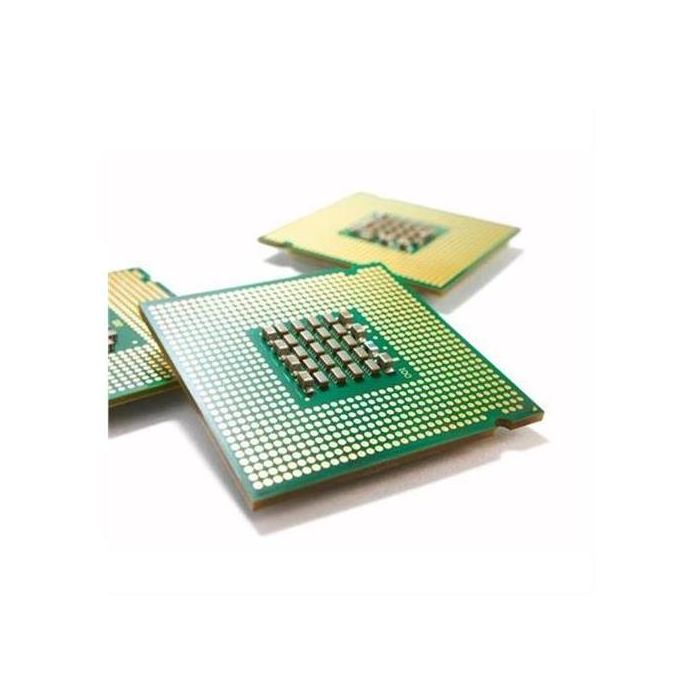
UCS-CPU-E54607B - Cisco 2.60GHz 6.40GT/s QPI 15MB L3 Cache Socket FCLGA2011 Intel Xeon E5-4607 v2 6 Core Processor Upgrade
UCS-CPU-E54607B - Cisco 2.60GHz 6.40GT/s QPI 15MB L3 Cache Socket FCLGA2011 Intel Xeon E5-4607 v2 6 Core Processor Upgrade
Mfr Part#:
Availabilty: In stock
Condition:
Refurbished
Manufacturer:
Cisco
Seeking a large quantity of UCS-CPU-E54607B, or have a target price in mind? Contact us at (855) 483-7810 or simply Request a Bulk Quote. Our sales team will promptly respond with a discounted price tailored to your needs.
PAYMENT










Expert team support
We accept POs from fortune 1000 companies, government agencies, defense, schools and hospitals.
 Free ground shipping within United States
-
Fast & Free Shipping On All Orders
-
Customer Support Contact Us
-
Lowest Price?Guarantee
How can we provide the cheapest price of ?
Through digital management and global bulk purchases directly from original manufacturers and authorized suppliers, we guarantee quality and authenticity at the most affordable price.
-
Secure Online Payments
-
Easy Installments With No Interest
 Save 5%
 Quote
Quote Contact
Cisco Intel Xeon E5-4607 v2 processor 2.6 GHz 15 MB Smart Cache
ntel Xeon E5-4607 v2 (15M Cache, 2.60 GHz)
- Intel® Xeon® E5 V2 Family E5-4607V2 2.6 GHz
- 15 MB Smart Cache LGA 2011 (Socket R)
- Processor cores: 6 22 nm 64-bit 95 W
- Maximum internal memory supported by processor: 768 GB DDR3-SDRAM
About Cisco Intel Xeon E5-4607 v2, Intel® Xeon® E5 V2 Family, LGA 2011 (Socket R), 22 nm, E5-4607V2, 2.6 GHz, 64-bit
Cisco Intel Xeon E5-4607 v2. Processor family: Intel® Xeon® E5 V2 Family, Processor socket: LGA 2011 (Socket R), Processor lithography: 22 nm. Memory channels: Quad-channel, Maximum internal memory supported by processor: 768 GB, Memory types supported by processor: DDR3-SDRAM. Market segment: Server, Supported instruction sets: AVX, Bandwidth: 6.4 MB/s. Processor package size: 52.5 mm
ECC Memory SupportedECC Memory Supported indicates processor support for Error-Correcting Code memory. ECC memory is a type of system memory that can detect and correct common kinds of internal data corruption. Note that ECC memory support requires both processor and chipset support.
Intel Virtualization Technology (VT-x)
Intel Virtualization Technology (VT-x) allows one hardware platform to function as multiple “virtual” platforms. It offers improved manageability by limiting downtime and maintaining productivity by isolating computing activities into separate partitions.
Intel Virtualization Technology for Directed I/O (VT-d)
Intel Virtualization Technology for Directed I/O (VT-d) continues from the existing support for IA-32 (VT-x) and Itanium processor (VT-i) virtualization adding new support for I/O-device virtualization. Intel VT-d can help end users improve security and reliability of the systems and also improve performance of I/O devices in virtualized environments.
Intel VT-x with Extended Page Tables (EPT)
Intel VT-x with Extended Page Tables (EPT), also known as Second Level Address Translation (SLAT), provides acceleration for memory intensive virtualized applications. Extended Page Tables in Intel Virtualization Technology platforms reduces the memory and power overhead costs and increases battery life through hardware optimization of page table management.
Intel 64
Intel 64 architecture delivers 64-bit computing on server, workstation, desktop and mobile platforms when combined with supporting software. Intel 64 architecture improves performance by allowing systems to address more than 4 GB of both virtual and physical memory.
Idle States
Idle States (C-states) are used to save power when the processor is idle. C0 is the operational state, meaning that the CPU is doing useful work. C1 is the first idle state, C2 the second, and so on, where more power saving actions are taken for numerically higher C-states.
Enhanced Intel SpeedStep Technology
Enhanced Intel SpeedStep Technology is an advanced means of enabling high performance while meeting the power-conservation needs of mobile systems. Conventional Intel SpeedStep Technology switches both voltage and frequency in tandem between high and low levels in response to processor load. Enhanced Intel SpeedStep Technology builds upon that architecture using design strategies such as Separation between Voltage and Frequency Changes, and Clock Partitioning and Recovery.
Thermal Monitoring Technologies
Thermal Monitoring Technologies protect the processor package and the system from thermal failure through several thermal management features. An on-die Digital Thermal Sensor (DTS) detects the core's temperature, and the thermal management features reduce package power consumption and thereby temperature when required in order to remain within normal operating limits
AES New Instructions
Advanced Encryption Standard New Instructions (AES-NI) are a set of instructions that enable fast and secure data encryption and decryption. AES-NI are valuable for a wide range of cryptographic applications, for example: applications that perform bulk encryption/decryption, authentication, random number generation, and authenticated encryption.
Secure Key
Intel Secure Key consists of a digital random number generator that creates truly random numbers to strengthen encryption algorithms.
Trusted Execution Technology
Intel Trusted Execution Technology for safer computing is a versatile set of hardware extensions to Intel processors and chipsets that enhance the digital office platform with security capabilities such as measured launch and protected execution. It enables an environment where applications can run within their own space, protected from all other software on the system.
Execute Disable Bit
Execute Disable Bit is a hardware-based security feature that can reduce exposure to viruses and malicious-code attacks and prevent harmful software from executing and propagating on the server or network.
Customer Questions
Overview
Condition:
Refurbished
Manufacturer:
Cisco
Stock:
In Stock
Processor
Processor model
E5-4607V2
Processor base frequency
2.6 GHz
Processor family
Intel® Xeon® E5 V2 Family
Processor cores
6
Processor socket
LGA 2011 (Socket R)
Component for
Server/workstation
Processor lithography
22 nm
Processor series
Intel Xeon E5-4600 v2
Processor threads
12
System bus rate
6.4 GT/s
Processor operating modes
64-bit
Processor boost frequency
2.6 GHz
Processor cache
15 MB
Processor cache type
Smart Cache
L3 cache speed
2.6 GHz
Thermal Design Power (TDP)
95 W
VID Voltage Range
0.65 - 1.3 V
Stepping
S1
Bus type
QPI
Number of QPI links
2
Memory bandwidth supported by processor (max)
42.6 GB/s
Processor codename
Ivy Bridge
Processor ARK ID
75794
Memory
Maximum internal memory supported by processor
768 GB
Memory types supported by processor
DDR3-SDRAM
Memory clock speeds supported by processor
800,1066,1333 MHz
Memory channels
Quad-channel
ECC
Yes
Graphics
On-board graphics card
No
Features
Execute Disable Bit
Yes
Idle States
Yes
Thermal Monitoring Technologies
Yes
Market segment
Server
Maximum number of PCI Express lanes
40
PCI Express slots version
3.0
Supported instruction sets
AVX
Bandwidth
6.4 MB/s
Scalability
4S
Physical Address Extension (PAE)
46 bit
CPU configuration (max)
4
Embedded options available
No
Processor special features
Intel® Hyper Threading Technology (Intel® HT Technology)
Yes
Operational conditions
Tcase
77 °C
Technical details
Processor cache
15360 KB
Product type
4
Weight & dimensions
Processor package size
52.5 mm
Top reasons to buy UCS-CPU-E54607B Cisco from us
100% Low Price Guarantee
We provide high-quality products at low wholesale prices.
What is the lowest price of the Cisco UCS-CPU-E54607B?
Our lowest price for UCS-CPU-E54607B is $2,043.19, Buy Now.
Check more lowest price of CPUs & Processors and Cisco .
Write Your Own Review
Trusted by over 20,000 customers globally