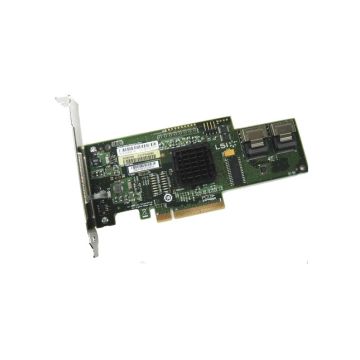
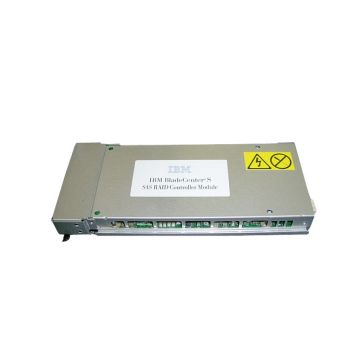
What does a controller card do?
A controller card is a hardware component that manages the input and output operations for a specific type of device or devices in a computer system.
As a whole, it serves as an interface between the computer’s motherboard and the peripheral devices, including hard drives, network cards, or USB ports, enabling communication and control.
How does a control card work?
A controller card operates by using its onboard processor and firmware to interpret and manage data signals between the computer and the peripheral device.
When a command is issued by the computer, the controller card translates it into a format that the peripheral device can understand and execute, ensuring smooth data transfer and functionality.
How do controller cards connect to the motherboard?
Controller cards connect to the motherboard via expansion slots. The most common types of slots are PCI (Peripheral Component Interconnect), PCIe (PCI Express), and older forms like ISA (Industry Standard Architecture).
The card is inserted into the appropriate slot, where it interfaces with the motherboard to access the system’s data bus and power supply.
What is a PCIe controller card?
A PCIe (PCI Express) controller card is a type of expansion card that uses the PCIe standard for connecting to the motherboard. PCIe is a high-speed interface that provides faster data transfer rates compared to older standards.
These cards can be used for various purposes, including adding extra USB ports, connecting additional storage devices, or enhancing network capabilities.
What are the different types of controller cards?
Different types of controller cards include:
- Storage Controller Cards: Used to manage hard drives and SSDs (e.g., SATA, SCSI, NVMe)
- Network Interface Cards (NICs): Utilize for providing network connectivity
- Graphics Cards: Handle rendering of images and video
- RAID Controller Cards: Manage multiple hard drives to form a RAID array
- Sound Cards: Enhance audio capabilities


 Login
Login